10+ Free Excel Budget Templates for Small Business in 2026
Your small business needs a budget. It's more than a financial report; it's a strategic roadmap, especially in 2026's dynamic market. A clear budget helps you allocate resources, anticipate challenges...
Your small business needs a budget. It's more than a financial report; it's a strategic roadmap, especially in 2026's dynamic market. A clear budget helps you allocate resources, anticipate challenges, and seize opportunities.
Why Your Small Business Needs a Budget (More Than Ever)
Ignoring your finances leaves your business vulnerable. A proactive budget helps you navigate economic shifts and maintain stability. It turns financial uncertainty into actionable plans.
The High Cost of "Check-to-Check" Operations
Many small businesses struggle with cash flow, operating month-to-month without a cushion. Mike Michalowicz notes in "Profit First" that 83% of small businesses operate on a "check-to-check" basis. They lack sufficient cash to cover expenses from one payment cycle to the next. This precarious position makes growth difficult and risks business continuity.
Navigating Inflation: Budgeting as a Shield
Inflation continues to impact operating costs. A 2026 survey found 74% of small business owners reported increased costs. A robust budget acts as a shield, allowing you to identify rising expenses and adjust pricing or find efficiencies. It transforms inflation from a surprise into a manageable factor.
Choosing the Right Free Excel Budget Template for Your Business
Selecting the correct template streamlines your budgeting process. Match the template's structure to your business's unique financial rhythms and reporting needs. A good template saves setup time and reduces errors.
Monthly, Annual, or Project-Specific: What's Your Cadence?
Consider your business's financial cycles. A monthly budget template suits most small businesses for granular cash flow tracking. Annual templates offer a high-level overview and long-term planning. Project-specific budgets are crucial for managing costs and revenue for individual client contracts or initiatives.
Key Features to Look For in a Small Business Budget Template
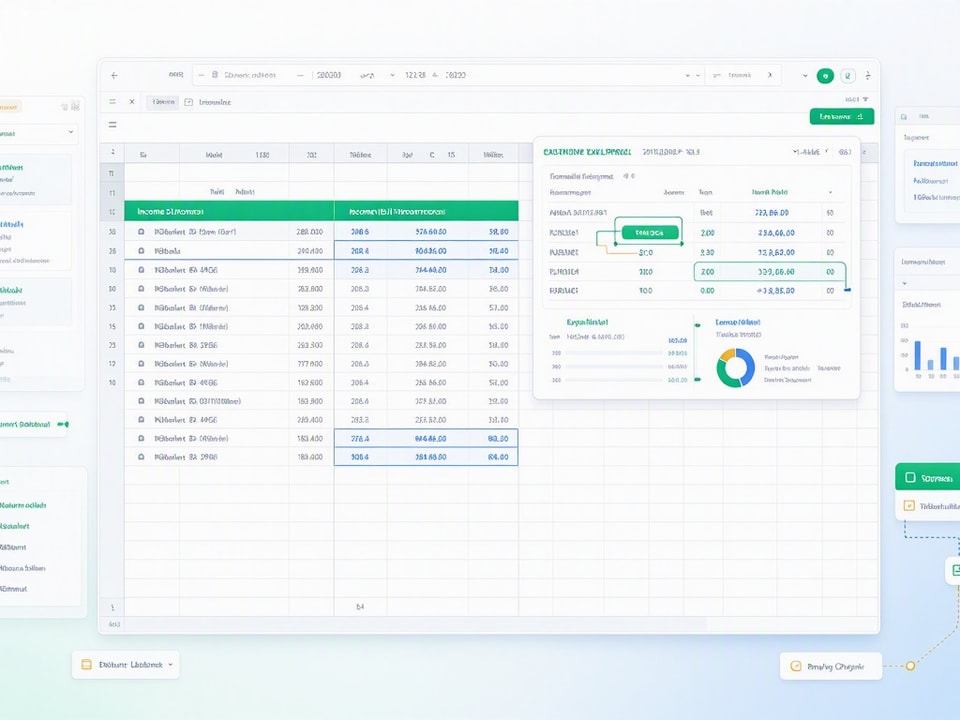
Look for templates that automate calculations. Essential features include sections for income, fixed expenses, variable expenses, and profit and loss (P&L) tracking. Customization options are vital, allowing you to tailor categories to your specific business. A template that calculates gross profit and breaks down spending, like some offered by Capterra, provides immediate value.
When a Template Bundle Saves You Time and Effort
Starting from a blank sheet takes time. A comprehensive template bundle provides pre-built structures for various business functions. This approach eliminates hours of setup, letting you focus on data entry and analysis. Think beyond just budgeting to inventory, orders, and billing.
Recommended Resources
Skip the blank-sheet setup
Use these templates to jumpstart your financial tracking and business operations.
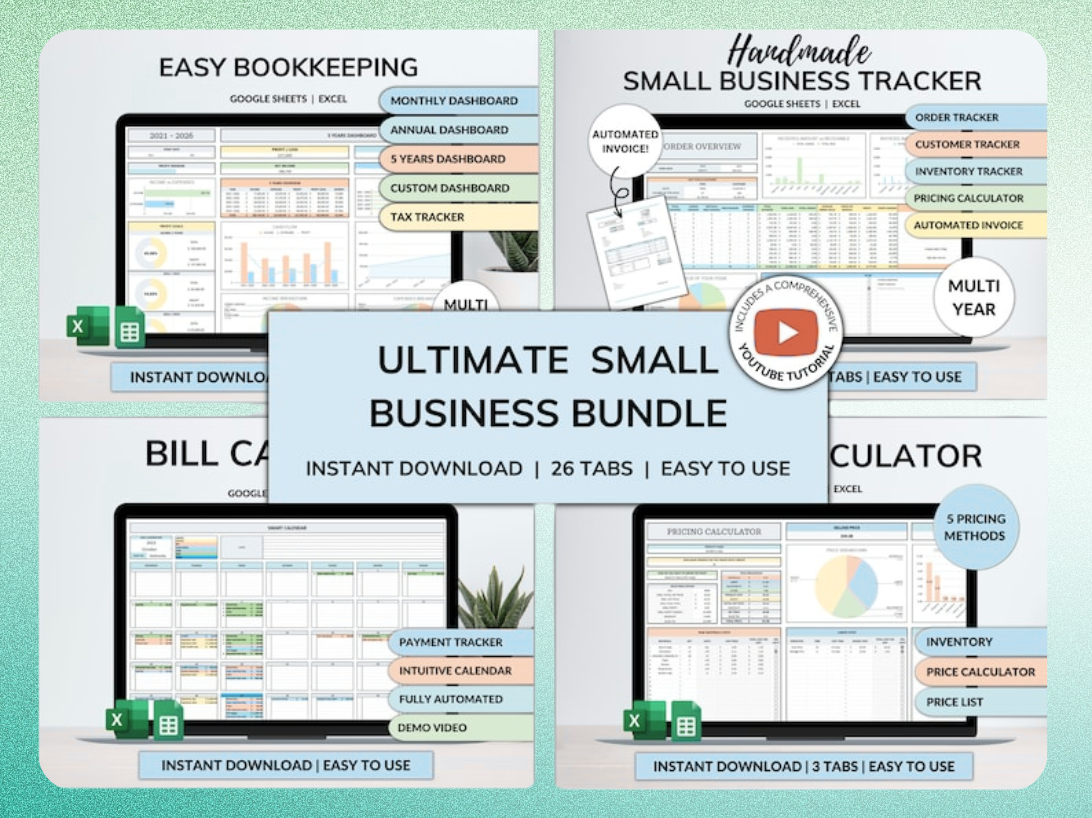
Ultimate Small Business Bundle Templates - Google Sheet + Ms Excel
All-in-One Spreadsheets for Bookkeeping, Inventory, Orders, Billing & Pricing Save Hours Every Week: Automate data entry and dashboards so you can focus on growth, not spreadsheets.
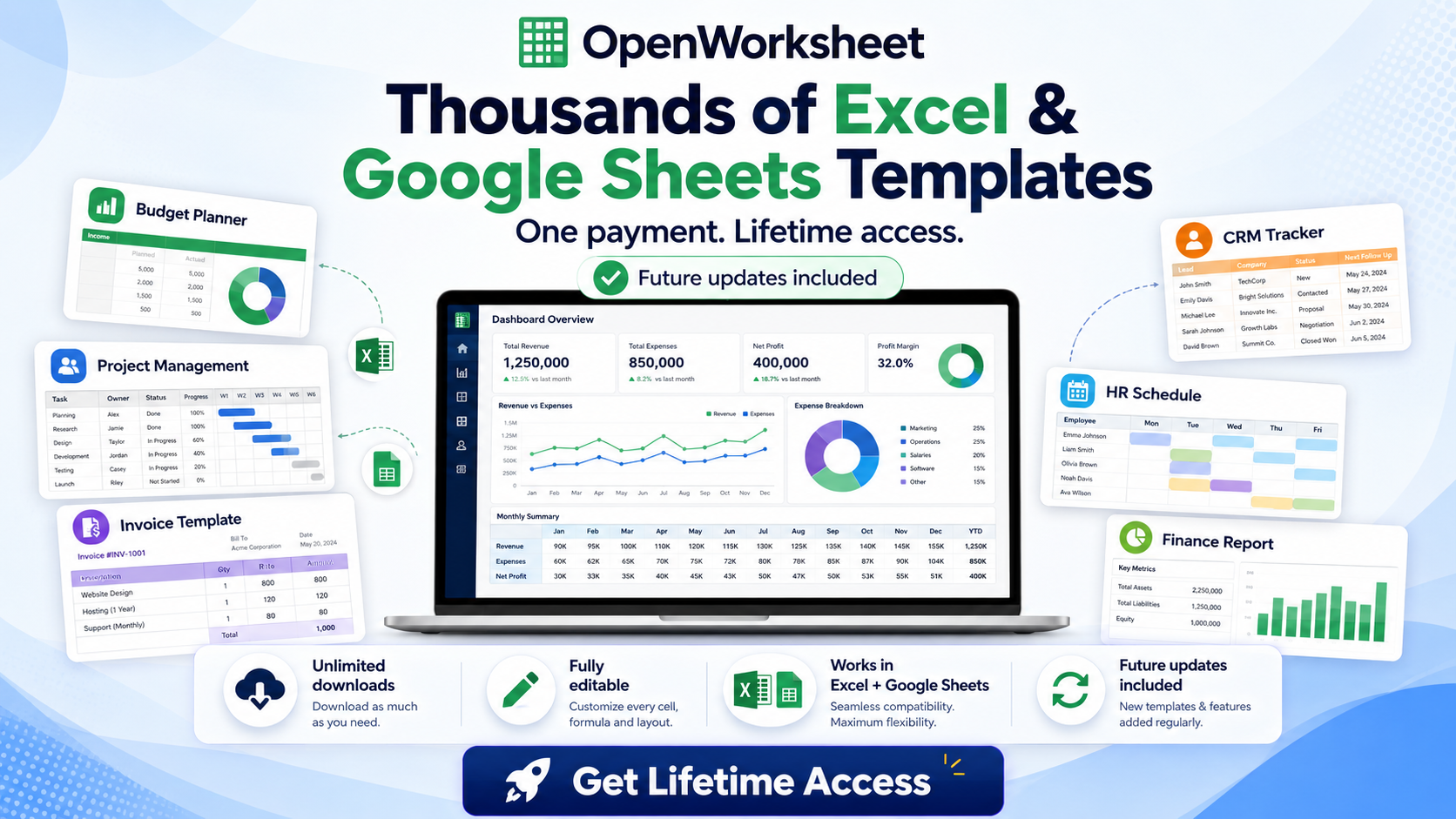
Thousands of Spreadsheet Templates Mega Library – Google Sheet Supported
Setting Up Your Small Business Budget in Excel
Even with a template, proper setup ensures accuracy and utility. Follow these steps to populate and leverage your chosen Excel budget template effectively. Consistent data entry makes your budget a powerful tool.
Essential Columns for Tracking Income and Expenses
Your budget needs clear categories. Essential columns include "Date," "Description," "Category" (e.g., Sales, Rent, Marketing), "Income," and "Expense." Add a "Notes" column for specific details. This structure provides the granularity needed for accurate reporting.
Formulas for Automated Calculations and Insights
Excel formulas automate your budget. Use SUM() to total income and expenses for each category and period. SUMIF() or SUMIFS() can aggregate data based on specific criteria, like all marketing expenses. A simple formula like =(Income - Expenses) gives you net profit.
Workflow Checklist: Daily, Weekly, Monthly Budget Habits
Maintain your budget with a routine. Daily: Record all transactions. Weekly: Review cash flow and compare actuals to your budget. Monthly: Reconcile accounts, adjust forecasts, and analyze variances. This consistent workflow keeps your budget current and useful.
Excel vs. Google Sheets: Which is Best for Your Budget?
Both Excel and Google Sheets offer powerful budgeting capabilities. Your choice depends on your specific needs for complexity, collaboration, and accessibility. Each platform has distinct advantages for small businesses.
Excel's Power for Complex Financial Modeling
Microsoft Excel remains the industry standard for detailed financial modeling. It handles large datasets, complex formulas, and advanced charting with ease. For businesses requiring intricate scenario planning or robust pivot table analysis, Excel is often the preferred choice.
Google Sheets for Collaborative Budget Management
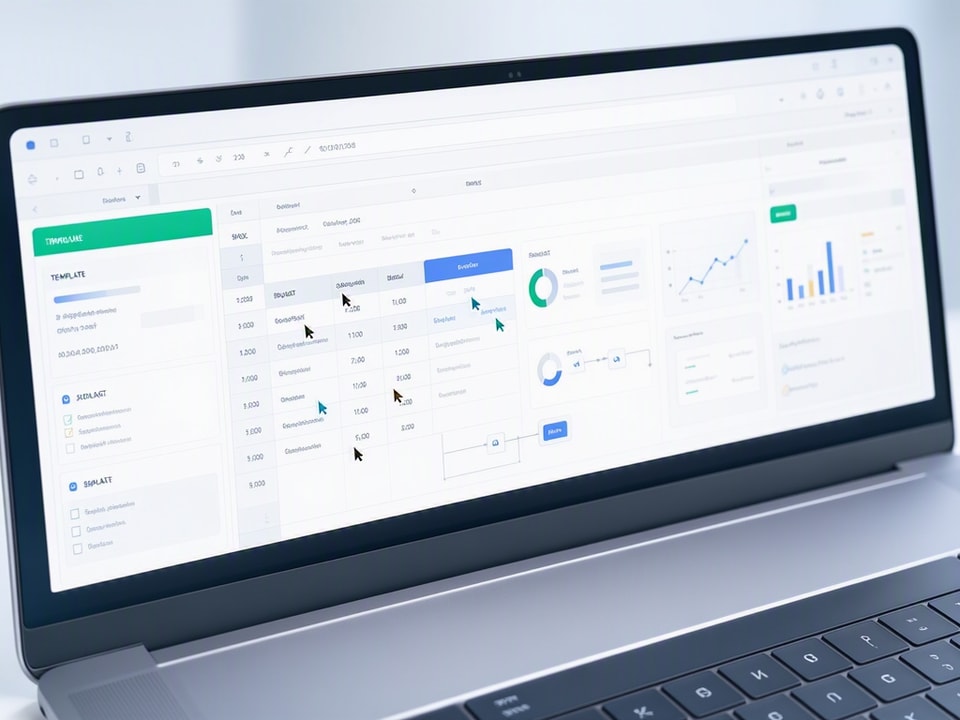
Google Sheets excels at real-time collaboration. Multiple users can access and edit the budget simultaneously, making it ideal for teams. Its cloud-based nature ensures accessibility from any device with an internet connection. This simplifies budget reviews and updates across your organization.
Leveraging AI for Smarter Budgeting in Google Sheets
AI tools now enhance Google Sheets. You can use AI to generate complex formulas, analyze spending patterns, or even summarize budget data. Tools like Google's built-in AI features or third-party add-ons can provide deeper insights and automate repetitive tasks. This makes budgeting more intelligent and less time-consuming.
Common Budgeting Mistakes Small Businesses Make
Avoid these common pitfalls to ensure your budget effectively supports your business growth. A budget is only as good as its implementation and consistency.
Ignoring Cash Flow vs. Profit
Many businesses confuse profit with cash flow. A business can be profitable on paper but still lack the cash to pay bills. Your budget must track both. Prioritize cash flow management to ensure liquidity, even as you monitor overall profitability.
Setting and Forgetting: The Importance of Regular Reviews
A budget is a living document, not a static report. "Setting and forgetting" renders it useless. Review your budget weekly or monthly. Compare actual results to your projections, identify discrepancies, and adjust your forecasts. This iterative process makes your budget a true strategic asset.
Get Started: Free Templates and Advanced Tools
Begin your budgeting journey today. Download a free template to establish your financial foundation. For more advanced needs, consider comprehensive bundles that streamline your entire business operation.
Download Your Free Small Business Budget Template
Numerous resources offer free Excel budget templates for small businesses. Websites like Capterra, Smartsheet, and Tiller Money provide downloadable options. Choose one that aligns with your specific operational structure.
Elevate Your Financial Tracking with a Comprehensive Template Bundle
For businesses ready to scale, a basic budget template may not be enough. Consider a comprehensive solution like the Ultimate Small Business Bundle Templates. This bundle provides all-in-one spreadsheets for bookkeeping, inventory, orders, billing, and pricing. It automates dashboards and data entry, saving hours every week. Alternatively, the 5500+ Ms Excel Templates Mega Bundle offers an extensive collection for various business needs.
Get the newsletter
One sharp idea every Sunday.
No fluff. No sales pitches. Just the best of what we publish, hand-picked.
Continue Reading
Related Articles
10 Best Expense Tracker Spreadsheet Templates for 2026
An effective expense tracker spreadsheet is more than just a budgeting tool; it's a financial compass. In 2026, navigating personal finances or running a small business without clear visibility into y...
10 Best Free Expense Tracker Spreadsheet Templates for 2026
Tracking every dollar you spend sounds simple until you open a blank spreadsheet and stare at empty cells. An expense tracker spreadsheet template gives you the structure, formulas, and categories alr...
10+ Free Cash Flow Forecast Excel Templates for 2026
Cash flow forecasting separates businesses that survive market swings from those that don't. A well-built Excel template gives you weekly visibility into when money arrives, when bills come due, and w...